Japanese Piano Packaging Line Case Study: Customized Solution for Heavy-Duty Cartons
Projects
Japanese Piano Packaging Line Case Study: Customized Solution for Heavy-Duty Cartons
| Machine Model | carton erector, carton sealer, strapping machine |
| Project Location | Japan |
Japanese Piano Packaging Line Case Study
How We Customized a Standard Packaging Line for Heavy-Duty Piano Cartons
Overview
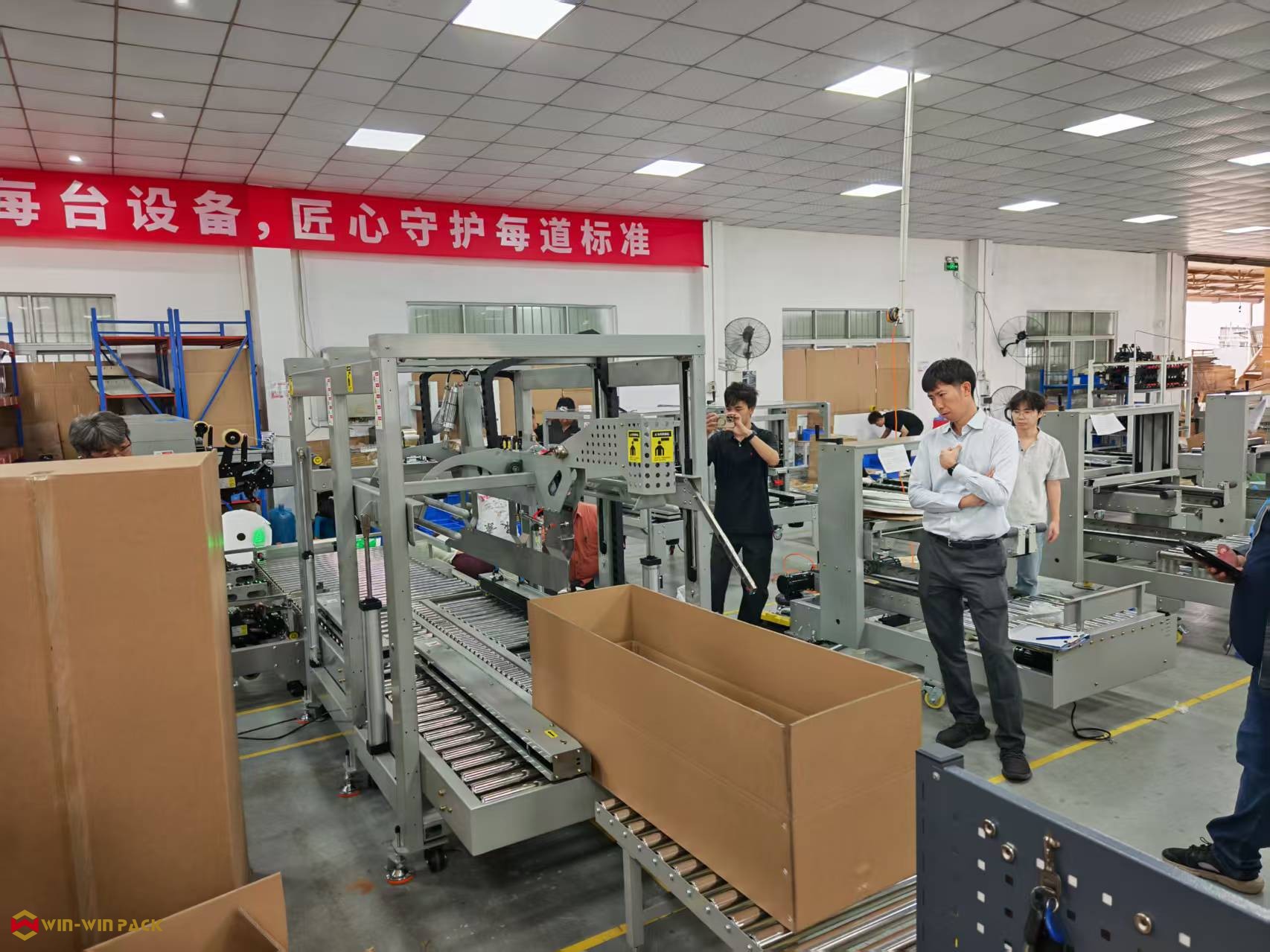
A Japanese customer specializing in piano manufacturing required an automated packaging solution for heavy-duty piano cartons. Unlike standard carton packaging applications, piano packaging demands higher levels of structural stability, packaging consistency, operational safety, and long-term reliability.
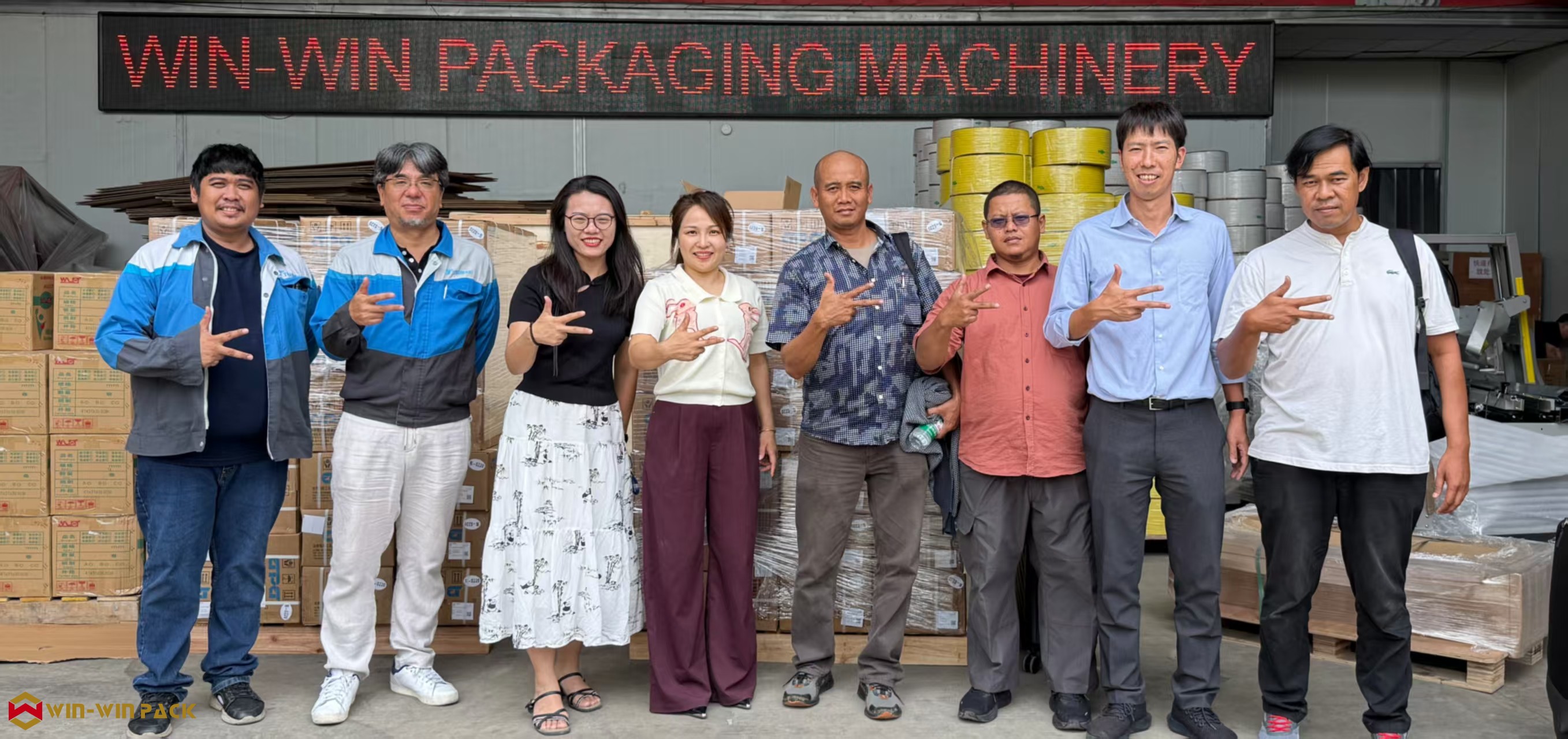
Following the Factory Acceptance Test (FAT), the customer proposed a series of improvements based on real production requirements. Through close collaboration, more than 30 optimizations were implemented across the entire line, transforming standard machines into a customized packaging solution tailored to the customer's factory standards.
Challenge: Why Standard Machines Were Not Enough
Packaging pianos presents unique challenges:
- Heavy carton loads requiring reinforced machine structures;
- High-value products demanding premium packaging quality;
- Continuous production requirements with minimal downtime;
- Strict Japanese maintenance standards for long-term operation;
- Enhanced operator safety expectations throughout the line.
The customer needed more than automation—they needed equipment capable of integrating seamlessly into their production environment.
Solution 1: Optimizing the Carton Erector for Heavy Cartons
The carton erecting station was upgraded to improve both reliability and ease of operation.
Key Improvements
- Automatic stop function after processing the last carton;
- Simplified suction cup adjustment for faster changeovers;
- Reinforced carton magazine supports to withstand heavy-duty use;
- Modified carton guiding mechanisms for improved stability;
- Additional chain protection guards;
- Recipe management with password protection;
- Alarm history retention for troubleshooting;
- Tape shortage and tape break detection.
Benefits
These upgrades reduced unnecessary machine operation, improved changeover efficiency, and enhanced equipment reliability.
Solution 2: Improving Sealing Quality and Production Continuity
The customer identified carton sealing quality as a critical concern during FAT.
Key Improvements
- Fine-tuning of sealing mechanisms to improve tape appearance;
- Installation of tape shortage alarms;
- Installation of tape break alarms;
- Addition of touchscreen interfaces and handheld control boxes.
Customized "10-Carton Delayed Stop" Logic
One of the most distinctive modifications involved production continuity.
Instead of stopping immediately when tape shortage was detected, the machine was programmed to:
- Alert the operator;
- Continue sealing the next 10 cartons;
- Automatically stop and trigger a secondary alarm.
Benefits
This logic minimized production interruptions while preventing defective cartons caused by insufficient tape.
Solution 3: Enhancing Corner Sealing Safety
Operator safety was a major focus throughout the project.
Key Improvements
- Yellow protective covers with observation openings;
- Star-shaped adjustment knobs for easier operation;
- Repositioned pressure regulators for easier tape replacement;
- Extended protective guarding when conveyor sections were modified.
Benefits
These modifications improved visibility, maintenance accessibility, and overall safety performance.
Solution 4: Reinforcing the Strapping Station
Heavy piano cartons placed additional stress on the strapping equipment.
Key Improvements
- Internal reinforcement of roller structures;
- External fixing supports for the working table;
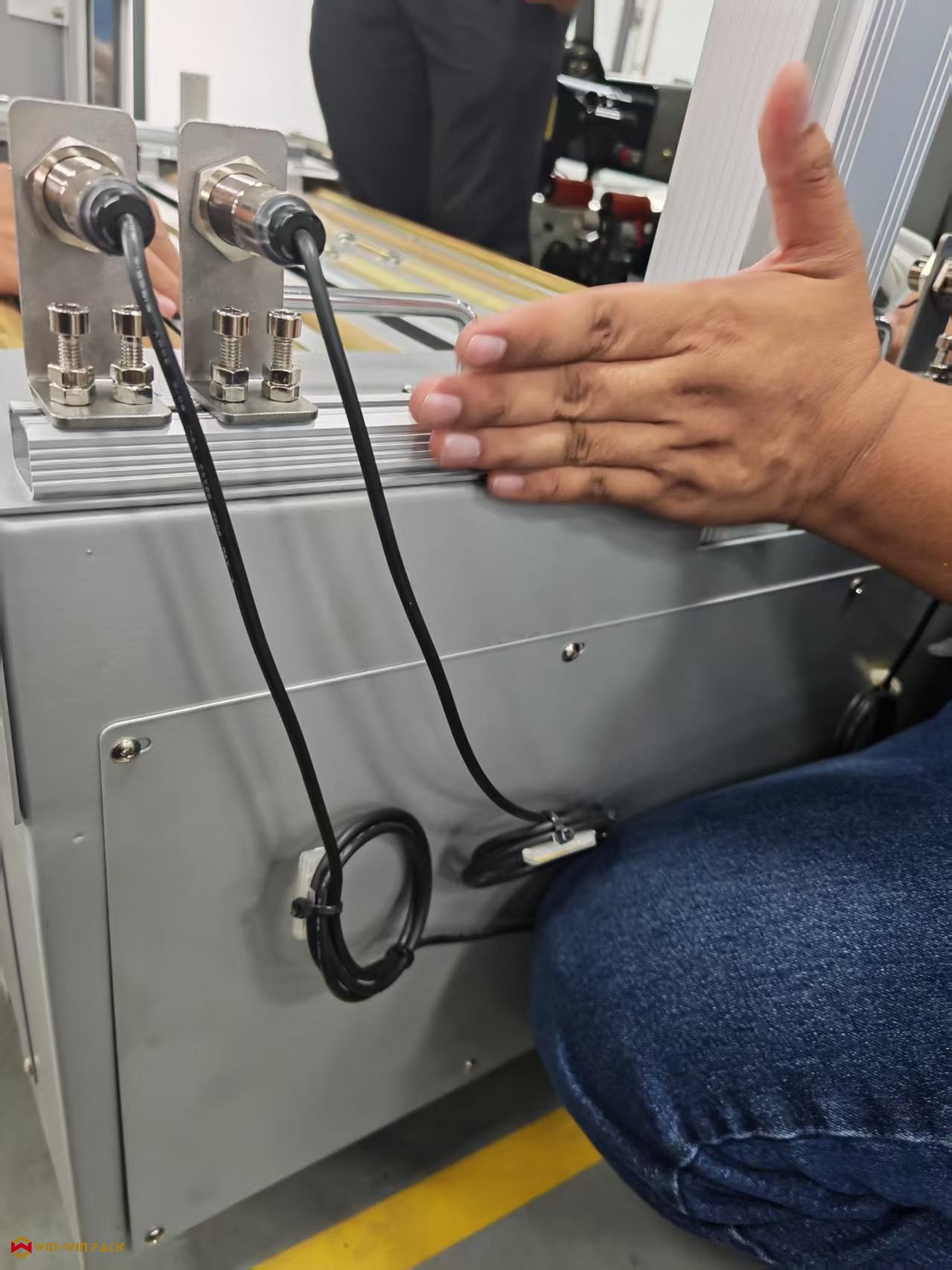
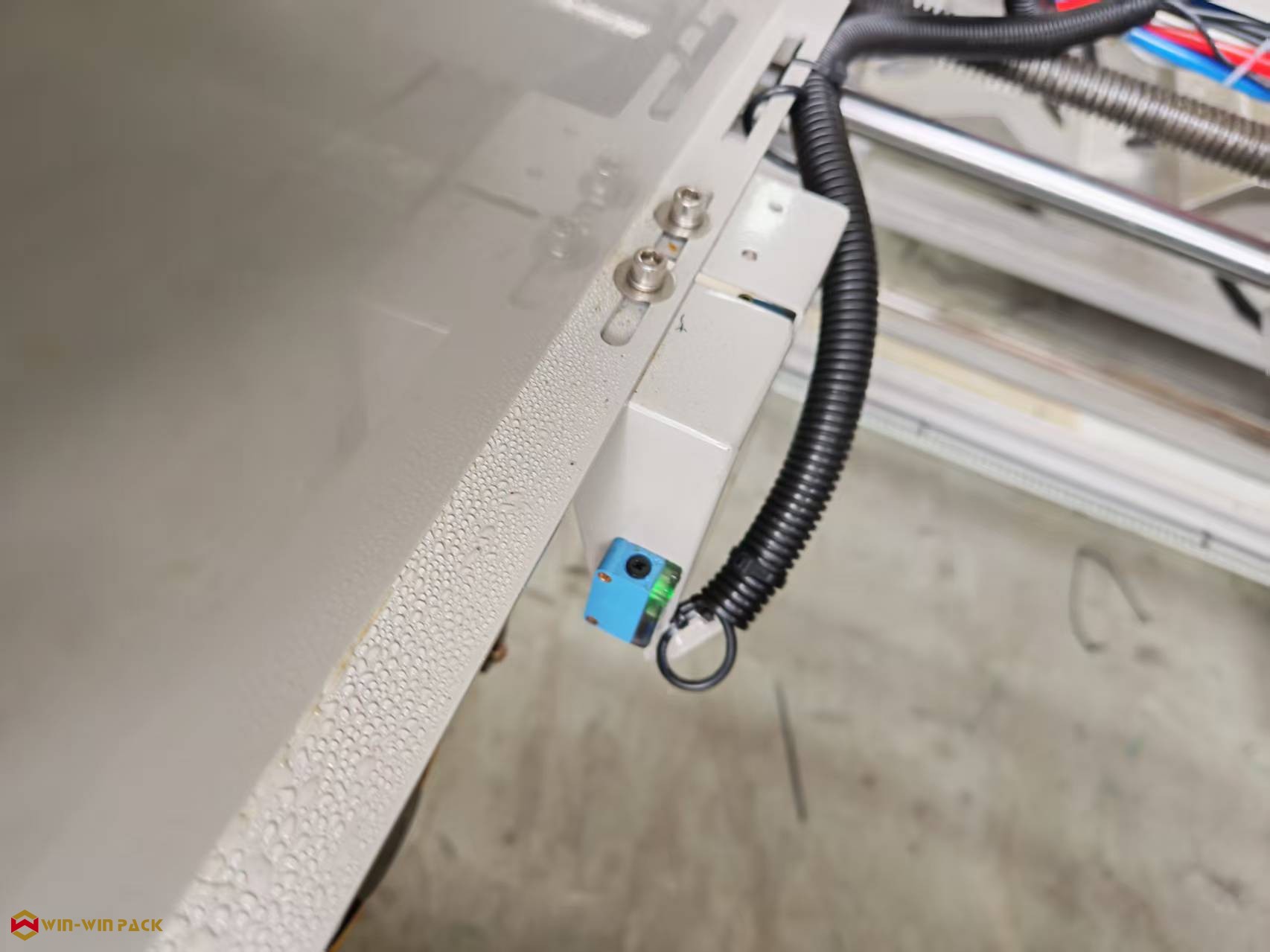
- Protective covers for sensors;
- Audible alarm systems;
- Flashing warning lights.
Benefits
The reinforced design improved durability under heavy-duty conditions while reducing maintenance effort.
Solution 5: Meeting Japanese Maintenance Standards
Beyond machine performance, the customer placed strong emphasis on maintenance efficiency.
Standardization Measures
- Full English-language labels and interfaces;
- Dual identification tags for electrical components;
- Wiring orientation standardization;
- Maintenance slack for cable management;
- Organized sensor wiring loops;
- Comprehensive documentation packages.
Documentation Delivered
- Electrical schematics;
- Pneumatic diagrams;
- Cabinet layout drawings;
- Exploded-view drawings;
- Spare parts lists;
- Service-life recommendations.
Benefits
These measures enable future maintenance teams to service the equipment quickly and independently.
Results: From Standard Equipment to a Dedicated Packaging Solution
- More than 30 optimizations had been implemented;
- Four major packaging stations were upgraded;
- Equipment reliability and maintainability were significantly improved;
- Safety standards were enhanced throughout the line;
- Production efficiency and packaging consistency were strengthened.
This project demonstrates that successful packaging automation is not achieved through standardization alone.
It is achieved by understanding the customer's application, identifying operational challenges, and continuously refining the solution until it truly fits the production environment.
For heavy-duty and high-value products such as pianos, customization is not an option—it is the key to long-term performance.
WIN-WIN PACK
BE YOUR TRUSTED PARTNER IN CHINA.
